4 hours ago
Trans Actor Xelia Mendes-Jones Returns as Non-Binary Dane in 'Fallout' Season 2
READ TIME: 3 MIN.
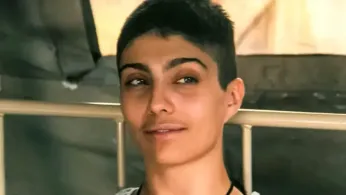
Prime Video's highly anticipated "Fallout" season 2 premiered on December 16, 2025, bringing back transgender actor Xelia Mendes-Jones in the role of non-binary character Dane. The series, adapted from the acclaimed video game franchise, builds on the success of its first season, which drew millions of viewers with its post-apocalyptic storytelling and diverse cast. Mendes-Jones, who uses he/they pronouns, has described himself on Instagram as "your local trans guy," emphasizing his transgender identity openly.
Dane is depicted as a confident and eager Initiate in the Brotherhood of Steel, serving as a close peer to Maximus and aspiring to become a Knight. The character's use of "they" pronouns in official descriptions marks Dane as the third known non-binary figure in the "Fallout" universe, following Orlando and Burke from prior entries. This representation aligns with the franchise's history of incorporating LGBTQ+ elements, which dates back to its earliest games and has expanded in subsequent releases.
Mendes-Jones first gained attention for this role in season 1, marking a significant TV debut after previous appearances in other projects. In a 2024 Instagram post, he clarified his pronoun preference, stating he "only really use he/they now" and noting that continued use of female pronouns was a choice for others to address. This vocal advocacy has resonated within LGBTQ+ communities, highlighting the importance of accurate representation by transgender actors playing transgender or non-binary characters.
Fan reactions to Mendes-Jones's portrayal have been overwhelmingly positive, with many praising the authenticity and progress in media diversity. On Reddit, one viewer noted, “I wasn’t able to find much info on whether they intended to cast a trans actor or if the show runners wrote the character around Mendes-Jones, but even so, just having an actor who’s actually trans is a huge step.” Another commented, “ exactly the type of positive representation we need,” expressing gratitude to the showrunners. These responses underscore a broader appreciation for "Fallout"'s commitment to inclusive storytelling in gaming adaptations.
From an LGBTQ+ perspective, Mendes-Jones's role exemplifies growing visibility for transgender and non-binary talent in mainstream television. Advocacy groups have long emphasized that authentic casting fosters understanding and reduces stereotypes faced by transgender people. The actor's return in season 2 offers opportunities for deeper character exploration, potentially addressing themes of identity and belonging in a dystopian world—mirroring real-world experiences of many in the LGBTQ+ community. While online forums like MovieChat have seen varied discussions, including some debates on transgender representation, the predominant fan discourse celebrates the inclusion.
The "Fallout" series, originating as a 1997 video game by Interplay Productions, has evolved into a cultural phenomenon with RPG elements set in a nuclear-ravaged America. Amazon's adaptation, produced by Bethesda Game Studios and Kilter Films, stays true to the source material while expanding its narrative scope. Season 1's success positioned it as one of 2024's top streaming shows, setting high expectations for season 2. Mendes-Jones's involvement continues this tradition, with Dane's arc promising more insight into the Brotherhood of Steel's dynamics.
In recent years, transgender actors like Mendes-Jones have broken barriers in high-profile projects, contributing to nuanced portrayals that affirm diverse gender identities. His performance as Dane not only entertains but also educates audiences on non-binary experiences, using inclusive pronouns consistently. As "Fallout" season 2 unfolds, it reinforces Prime Video's role in platforming LGBTQ+ stories, potentially influencing future adaptations. This development arrives amid ongoing conversations about representation, where transgender people seek roles that reflect their lived realities without caricature.